

RETAIL VS. DRIVE-THRU: What Consumers Want From Foodservice Meals
Foodservice at retail and convenience store operators can grow comfort food sales through smart meal bundling, occasion-based menu strategy, and value-driven merchandising.





Rapid Recap
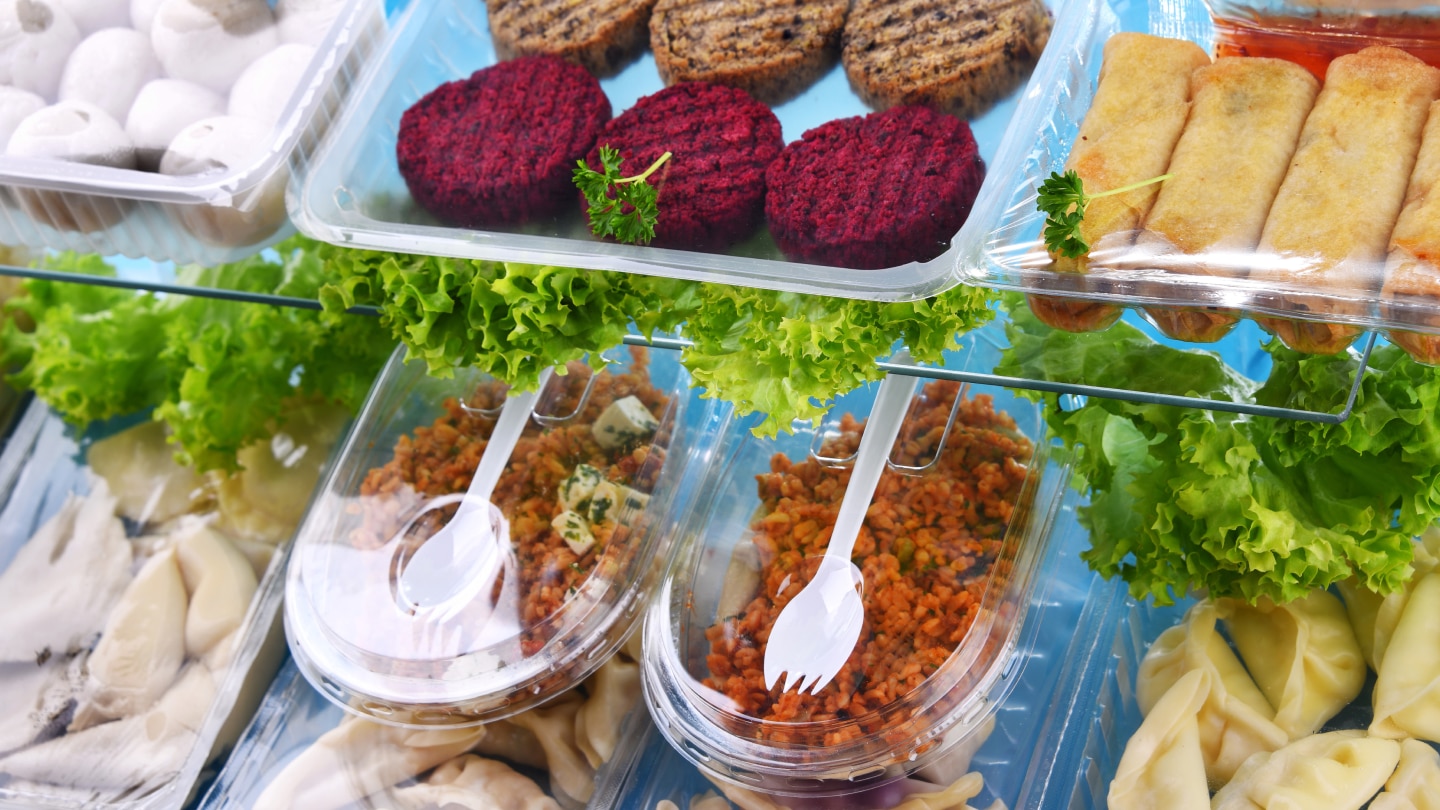
Consumers are craving comfort food, but they’re also doing the math. Every meal decision gets weighed against budget, convenience, and satisfaction. And as a result, nearly 80% of consumers choose c-stores for prepared food over fast-food restaurants or supermarket deli options due to value and pricing.1
For operators in foodservice at retail and convenience store foodservice, that's an opportunity—not to build a bigger menu, but to make the decision easier. The businesses earning repeat visits aren’t necessarily offering the lowest prices. They’re making it simple for shoppers to see value at a glance through complete meals, recognizable comfort foods, and solutions that fit naturally into everyday routines.
Why Are C-Stores Meals Often More Affordable Than Fast Food?
For the first time in a generation, fast food is no longer seen as the most affordable option.2 That doesn't mean operators should race to the bottom on price. Instead, it highlights a broader shift in how consumers define “value.”
It really comes down to how the c-store business model is designed: value-focused menus, low check averages, strong use of promotions and loyalty programs, and smaller portion sizes all work together to keep costs below a typical fast-food meal.3 And all the while, convenience stores are still delivering the quick, prepared meals customers crave.
The takeaway for operators isn't "discount more." It's to make every meal feel complete, satisfying, and easy to choose again for that price tag.
What Makes A Good Comfort-Focused Meal Bundle?
The best bundle isn't necessarily the cheapest. A strong one removes friction and answers the simple question: “What can I get that feels filling, familiar, and affordable?”
Rather than building endless combinations, start with one or two comfort foods shoppers already trust, then build repeatable combos around them.
Think:
- Fried chicken + potato wedges + juice.
- Mac and cheese + fruit cup + flavored water.
- Hot sandwich + chips + soda.
- Breakfast burrito + pastry + coffee.
As Nestle’s Corporate Executive Chef, Tom Andresakes explains: “You want to take a ubiquitous product and put a spin on it. The supermarket grab-and-go deli isn’t necessarily the place where people go for innovation. They go for items and meals that are recognizable to bring home to their families.”
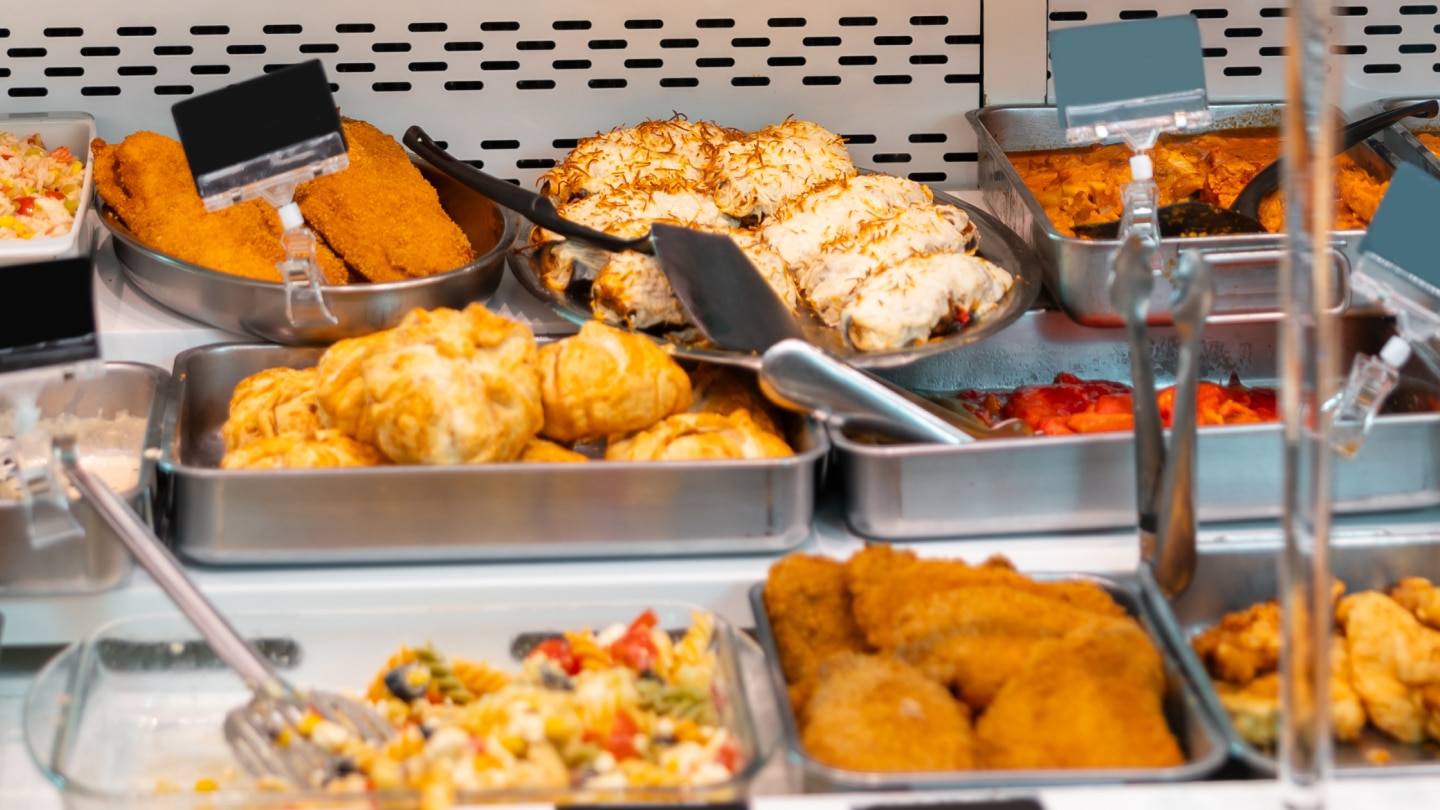
3 Ways To Build Stronger Meal Bundles
- Use ready-to-eat comfort anchors, like Stouffer’s® Professional Mac and Cheese or Stouffer’s® Professional Meatloaf with Gravy, that can support both individual and family-sized meals.
- Refresh familiar foods like pasta, lasagna, and burgers through occasion-based offers, like a “Family Lasagna Night” or “Game Day Burger Deal,” rather than constantly adding new menu items.
- Offer limited-time comfort bundles tied to a season or occasion (one idea: a “Gourd and Green Bundle” featuring pumpkin soup, a side salad, and roll).
How Do Beverages And Sides Increase A Meal’s Perceived Value?
Don’t think in terms of upselling. Think about completing the meal. Consumers often judge a meal less by the price alone and more by whether it feels complete.4
This is where c-store foodservice has a real advantage, though not every operator is using its full potential. Many retail operators already have strong beverage stations, coffee bars, roller grill programs, bakery cases, or grab-and-go coolers that can strengthen perceived value without adding operational complexity.
Todd Kirkpatrick, Nestle Professional Services Account Manager for Delis and Club Channel explains: “A simple upsell is: if you’re putting out chicken, you should be putting out mac and cheese the same way.”
The principle applies across the store:
- Hot coffee bar next to breakfast sandwiches.
- Fountain drink station located by a hot bar.
- Iced tea or beverage cooler near the deli sandwich case.
- A dessert case beside family meal bundles.
How Should Comfort Bundles Change By Daypart Or Shopper Behavior?
Not every shopper wants the same comfort meal. Consider: A commuter. A day laborer. A parent grabbing dinner. A midnight snacker. Each person defines value differently.
Instead of creating more menu items, organize your existing offerings around the moments guests already shop for. For example:
- Breakfast combos that include their coffee of choice for commuters who want warmth and speed.
- Energizing grab-and-go meals for office workers who need something fast and filling between meetings.
- Dinner bundles for take-home convenience.
- Late-night offers that satisfy indulgent cravings, like a Chef-mate® ¡Que Bueno! White Queso Sauce nacho build.
- Refreshing beverage added to snack-and-sip combos for afternoon pick-me-ups, based around Hot Pockets® Sandwiches and Stix®.
- Wellness-conscious add-ons, like Nestlé Vitality® vitamin-enriched water, for shoppers managing GLP-1 or other health-focused wellness routines.
Consumers aren’t always looking for a traditional meal. Sometimes they’re looking for relief, a reward, or a fast solution throughout their day. Organizing your menu around these moments helps shoppers recognize the solution that’s right for them.
Does Convenience Matter As Much As Affordability?
Affordability matters, but convenience is often what seals the deal.1 A meal doesn’t just need to fit the budget; it needs to fit the shopper’s day.
Grab-and-go coolers, hot cases, behind-the-glass deli, self-serve beverage stations, family meal pickup — these operational advantages uniquely position foodservice at retail to solve multiple needs at one stop.
A customer who can fuel up, grab dinner, pick up beverages, and head home in minutes is getting value that extends well beyond cost. Make sure your messaging reflects more than low prices, such as:
- Complete meals
- Premade bundles
- Ready now
- Easy to prepare
- Affordable indulgence
For deli meal solutions and grab-and-go convenience store programs alike, in-store signage, loyalty messaging, and digital promotions can support the idea that the meal is easy, affordable, and ready when the customer is.
How Can Operators Make Comfort Feel Easy, Complete, And Worth It?
Strong foodservice at retail programs don't compete on price alone. They remove friction, simplify decisions, and help shoppers quickly find a meal that feels worth buying.
That often starts with recognizable comfort foods supported by smart bundling, thoughtful merchandising, and messaging that highlights convenience as much as value.
As consumer expectations continue to evolve, the biggest opportunity isn’t simply serving comfort food. It’s making comfort feel easy to choose, easy to afford, easy to bring home, or easy to enjoy on the go.
Get more comfort food data and strategies in our 2026 T3 Insights Report.
Sources: 1) Datassential, C-Store Keynote Reports (January 2026); 2) Datassential 500, Inside The Value Revolution Defining America’s Largest Chains (2026); 3) Datassential, C-Store Segment Guide (2025); 4) Datassential, The Value Equation: Trade-offs that Shape Dining Decisions (June 2026)